Preparing Students for Today and the Rest of Their Lives
It started on the playground.
The merry-go-round spun faster and faster. The kids clung to the bars with wide eyes and nervous laughter. One by one, they were flung off—scraping knees, tearing jeans, and landing in the dust.
Some cried. Some laughed. And some got right back up, brushed off their hands, and climbed back on.
That’s resilience.
Long before we had terms like growth mindset or emotional regulation, children learned it in the dirt. Every missed jump rope, every tumble from the slide, every loss in kickball taught the same lesson: falling down isn’t failure. It’s an invitation to rise stronger.
The playground was a classroom with no desks and no grades, but the lessons were lifelong. Kids learned how to wait their turn on the swings, how to regroup after being tagged out, how to manage the sting of being picked last for a team. They argued over rules, compromised, and sometimes stormed off in frustration—only to return the next day ready to try again.
It was messy. It was loud. And it was essential.
But today’s kids aren’t getting those lessons as often. Recess is shorter. Play is scripted. Testing has crowded out free exploration. The jungle gyms are safer, but the opportunities to take small risks—and learn from them—are shrinking. And the skill that determines whether a student keeps trying—or gives up—too often gets left to chance.
👉 Resilience isn’t extra. It’s essential. And it’s the skill students need not just today—but for the rest of their lives.
Why Resilience Matters More Than Ever
Resilience is more than “bouncing back.” It’s adapting. It’s growing. It’s deciding that setbacks are stepping stones, not stop signs.
A child stumbles over multiplication facts. Another forgets her lines in the class play. A boy doesn’t make the soccer team.
What happens next is the difference between discouragement and determination.
If we don’t teach resilience, we risk raising kids who can ace a test—but can’t handle a test of life.
The Science of Bouncing Forward
Resilience isn’t soft. It’s science.
- Play builds resilience. Peter Gray’s research shows unstructured play strengthens problem-solving, persistence, and emotional control.
- Mindset shifts outcomes. Carol Dweck’s studies prove kids who believe abilities can grow are more likely to persist—and succeed.
- Brains rewire under pressure. Neuroplasticity tells us every challenge faced and conquered strengthens neural pathways for future success.
- Failure isn’t fatal. Michl and Nolen-Hoeksema’s work reveals it’s not failure itself, but rumination, that breaks kids down. Constructive processing builds adaptability.
- Resilience strengthens SEL. Students who learn resilience build the capacity to control their emotions, think rationally under pressure, and adapt to whatever comes next. These are not just school skills—they’re life skills.
The evidence is undeniable: resilience isn’t luck. It’s teachable. And it transforms lives.
Five Ways to Teach Resilience in Your Classroom
1. Teach the Power of Yet
When a student says, “I can’t do this,” add one word: “yet.”
- “You can’t multiply yet.”
- “You don’t know that word yet.”
This single shift changes defeat into possibility. Create a classroom “Yet Wall” where students post challenges they’re still working on. Watch frustration turn into progress.
2. Celebrate Effort, Not Just Results
Think of a toddler learning to walk—we cheer every wobble, not just the first successful step.
Do the same in school.
- Praise grit: “You stayed with that puzzle even when it was tough.”
- Highlight strategy: “I love how you tried three different ways.”
When effort matters more than perfection, failure becomes part of the process—not the end of it.
3. Protect Time for Play and Risk
Recess is resilience training.
The courage to climb. The persistence to master jump rope. The negotiation in a game of Red Rover.
But it’s more than physical play—it’s emotional practice. On the playground, kids test boundaries in ways that prepare them for life. They discover that sliding down the tallest slide feels scary until you try it. They realize that the embarrassment of missing the ball doesn’t last forever. They see that losing one round of four square doesn’t mean they’ll never win again.
Every scraped knee is a lesson in persistence. Every playground disagreement is a crash course in conflict resolution. Every comeback after a missed shot is a rehearsal for resilience later in life.
These lessons last longer than test scores. A child who learns to bounce back on the playground is better prepared to bounce forward in the classroom—and in the challenges adulthood will bring.
That’s why protecting time for recess, play, and risk-taking isn’t optional. It’s one of the most important parts of the school day. Build in brain breaks, outdoor challenges, and hands-on projects where stumbling safely leads to strength.
4. Build Emotional Check-Ins
Resilience is emotional, not just academic. Kids need tools to manage frustration, disappointment, and stress.
Start each morning with a quick check-in:
- “How are you feeling today?”
- “What’s one win from yesterday?”
- “What’s one thing you need help with?”
Pair this with a “coping toolbox”—breathing strategies, movement breaks, journaling. Students who learn to regulate emotions early won’t be undone by setbacks later.
5. Model Resilience Yourself
Your students are always watching.
When the Wi-Fi drops, when the lesson flops, when a drill interrupts—your reaction is the real lesson.
Say: “That didn’t work. Let’s try another way.”
You’ve just turned a disruption into a demonstration of resilience.
Why Elementary Is the Right Starting Point
By middle school, patterns are already set. Some kids already see failure as final.
But elementary years? That’s where identity is built.
Every reread of a tricky word… every raised hand after yesterday’s stumble… every child who tries again on the swings… those moments stack up. They create a foundation for confidence that lasts a lifetime.
👉 Elementary school isn’t just where kids learn to read. It’s where they learn how to live.
The Call to Action
Our students will face job interviews that don’t go their way. Friendships that fracture. Dreams that get delayed.
The question isn’t if they’ll stumble. It’s how they’ll respond.
And that response depends on us.
We can show them that failure isn’t final. That frustration isn’t fatal. That setbacks are setups for comebacks.
When we embed resilience into daily teaching, we give students more than academic confidence. We give them the tools to control their emotions, think rationally under pressure, and adapt to a future none of us can fully predict.
Because resilience isn’t just a skill. It’s the skill. And it may be the most important subject we ever teach—for today and the rest of their lives.
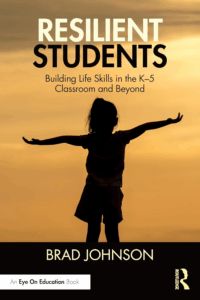
👉 Check out the book below!